
Why Your Google Business Profile Isn’t Getting Calls or Leads From Local SEO
An online business can be shown in local search results, get consistent views on its profile, but end up not receiving any enquiries at all. It is a situation where Local SEO can seem to be ineffective when, in reality, the reason behind the lack of success is false information, lack of trust, service information that is unclear or a complicated process for making an enquiry.
It should be clear from the start, by looking at the Google Business Profile of a business, what the business does, where it is located and how clients can contact the business.
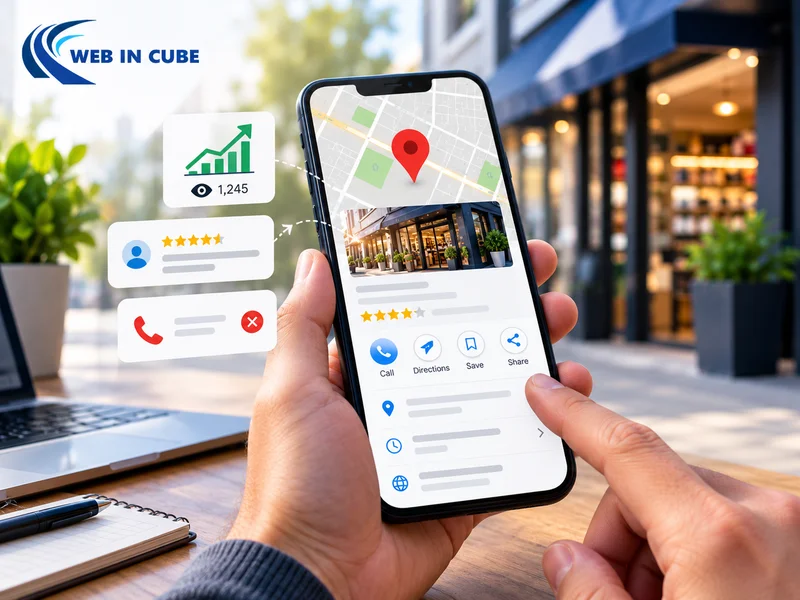
Why Can a Visible Profile Still Produce No Enquiries?
Visibility and lead generation are different stages. The Google Business Profile optimisation listing can draw individuals who are not in the coverage area or looking for some other services. Even suitable individuals can decide to leave if there is insufficient confidence-building information in the listing.
Identify the point where the customer process breaks down:
- Few profile views: There could be a relevance or visibility issue.
- Many views but few actions: The listing, its reviews, pictures or special offer may lack credibility.
- Many website visits but no inquiries: The page being referred to from the listing could be slow, generic or complicated.
- Reports many calls but poor quality leads: There could be issues with targeting or service descriptions.
- Real enquiries but weak reporting: Tracking may be missing valid calls, forms or bookings.
Local SEO Problems That Reduce Calls and Leads
1. The Profile Targets the Wrong Search Intent
A primary category should represent the main business, while services should describe work customers can purchase. A loosely related category may create impressions without suitable calls.
Compare the enquiries the business wants with the language customers use. Then check whether the profile, service pages and location content give the same clear answer.
2. Business Details Create Doubt
An old phone number, incorrect trading hours or a conflicting address can stop a ready customer. Inconsistencies between the profile, website and established business directories also make the company look poorly maintained.
Check the following details together:
- Business name and phone number
- Address or stated service area
- Normal and holiday opening hours
- Website and appointment links
- Services available at each location
The Australian Government advises businesses to keep online profiles up to date when hours, contact details and other information change.
3. The Profile Gives Customers Too Little Evidence
Thin service descriptions, old photos and an empty updates section provide little evidence that the company is active or suitable.
Use current, genuine material such as:
- Photos of the premises, team, equipment or completed work
- Accurate service descriptions with useful distinctions
- Relevant credentials, accessibility details or operating information
- Recent updates about changed hours, services or availability
4. Reviews Do Not Build Enough Confidence
Performance can’t be determined by review count alone. Recency, level of detail, overall trends and the company’s response will all determine how potential customers read the reviews.
Establish a consistent request procedure for legitimate transactions, but never pay for reviews or solicit reviews only from satisfied customers. According to the ACCC, businesses must not engage in creating or arranging fake or misleading reviews.
Reply calmly and protect customer privacy. Take the discussion to a private channel.
5. Call to Action Is Not That Obvious
Check whether the buttons for the phone, booking and website are working on your mobile device. The description and services on the profile should clearly tell you what the next step is to take without being pushy.
A proper action could involve placing a call regarding availability, asking for a quotation, scheduling an appointment and checking out the services page. The proper course of action would depend entirely on how the company qualifies its clients.
What the Numbers Might Be Telling You
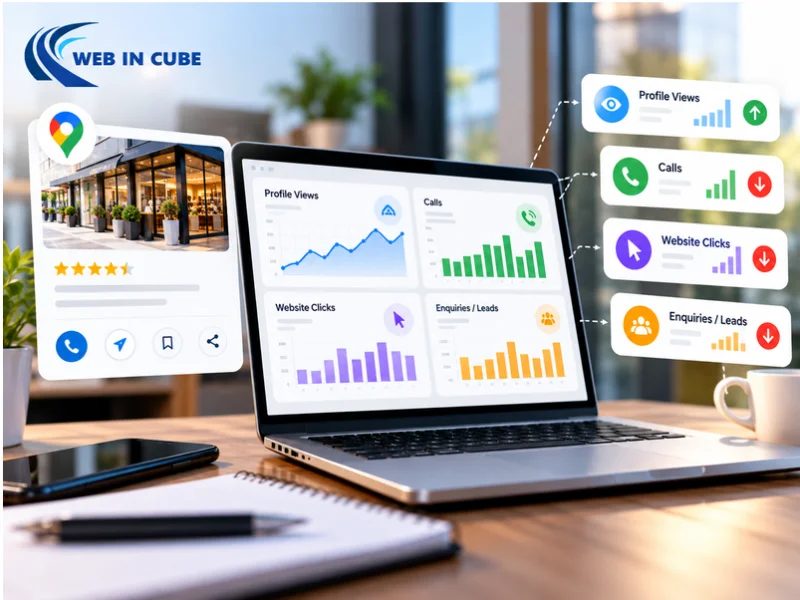
One metric can’t determine the whole issue. Read visibility, actions, SEO strategy for generating better leads, and outcomes together.
Pattern in the data | Likely issue | First check |
Low impressions across core searches | Weak relevance or limited local search visibility | Categories, services and location pages |
High views but few calls or clicks | Low trust or unclear next step | Reviews, photos, details and action buttons |
High website clicks but few forms | Landing-page friction | Mobile speed, message, form and phone link |
Many calls but few suitable prospects | Search intent is too broad | Categories, service wording and qualification details |
Leads reported by staff but not analytics | Incomplete measurement | Call, form, booking and source tracking |
Record a four-to-eight-week baseline before major edits. Compare similar periods and note seasonal events or promotions that may affect calls.
Check the Website Behind the Profile
Take Visitors to the Most Suitable Webpage
Not all visitors should be directed to your homepage. Sometimes it is better to create a specific webpage for an actual branch of your company or a webpage for your service in a particular area.
That page should confirm:
- What the business provides
- Which locations it serves
- Opening or response times where relevant
- Trust signals that can be verified
- A visible phone number, form or booking option
Avoid creating dozens of near-identical suburb pages. Each page needs a real purpose and useful local information.
Remove Mobile Enquiry Friction
Many local searches lead to an immediate phone or website action. Test the linked page on an ordinary mobile connection, not only on an office desktop.
Look for a tappable phone number, concise form, readable text, stable layout and clear confirmation after submission. The Australian Government notes that a good website makes it easy for customers to find and contact a business.
Keep the Profile and Website Consistent
There should be consistency between the service names, contact information and business operating hours at both locations. It is not required for the wording to be exactly the same, but it must not confuse the customers about whether they have found the right business.
One can use a Google Business Profile optimization guide to assist in the comparison. A broader local search service page can provide context about website, profile and citation work.
Follow a Practical Diagnostic Process
Step 1: Test Customer Journey
Search from relevant locations using service queries that a customer would use. Login into your profile and perform all tasks to make the enquiry on multiple devices.
Step 2: Align Profile Actions with Real Leads
Align profile actions with calls made, forms filled in, bookings made, and CRM entries. The employees need to document how real leads found out about the business.
Step 3: Edit Groups of Problems at Once
Resolve the critical errors at once, but for other problems, edit them in groups and maintain a dated log of the changes. It makes a cleaner comparison as compared to editing everything in one day.
Step 4: Look into Quality of Leads, Not Quantity
Ten irrelevant calls do not outperform four suitable enquiries. Track location, requested service and outcome where business processes allow.
Step 5: Set a Regular Review Schedule
Check operating details, unanswered reviews, images, links and lead data monthly. Add extra checks before holidays, relocations, seasonal changes or a new service launch.

Conclusion
Local SEO must do more than simply generate profile impressions. It should combine proper information, verification, appropriate website content, and a clear enquiry process. Analyzing the full funnel will indicate which aspect of optimization takes precedence: improved visibility, enhanced trust, easier website navigation, or improved tracking.
At WebinCube, we integrate our search optimization services with website design and development, content management, e-commerce, PPC, and social media so that each customer engagement serves as the foundation for the next one. The obvious next step would be to test the full process on one single profile, from search to enquiry completion, to determine where the friction lies.
FAQs
1. Why does my business profile get views but no calls?
The profile may attract low-intent searches or lack trust, relevance or direction. Review categories, services, feedback, photos, contact buttons and the linked page.
2. For how long should profile changes impact inquiries?
There isn’t any specific time period. Critical changes will benefit customers straight away, whereas visibility and conversion need comparisons of the data. Maintain the change log and do not evaluate the edit after just a couple of days.
3. Are more reviews equal to more leads?
No, because recent and credible reviews give confidence; however, customers also look at other factors such as relevance, proximity, availability, information about services and the website flow.
4. Does it make sense for each business to link their profiles to the home page?
Not always, because use the page that represents the listing location well and helps visitors do what they need. Sometimes a location or service page can be more helpful than just a general home page.
5. Which results does a local business have to monitor?
It is important to keep track of calls, forms, bookings and sales, together with the number of profile views, website visits and directions.