How Can an SEO Strategy Help Service Businesses Get Better Leads?
High rankings become less meaningful when subsequent requests go beyond the services the business provides, its geography, budget, or capacity. An SEO strategy must match the search traffic with the kind of client the business can cater to. It targets real buying needs, builds useful paths to the right service pages and measures what happens after a visitor makes contact.
This distinction matters for trades, consultants, clinics, professional firms and other service providers. Their websites rarely need the largest possible audience. These companies require qualified prospects who appreciate the offering and are willing to take a proper next step forward.

What Should an SEO Strategy Prioritise?
The plan should begin with commercial fit rather than a list of high-volume keywords. Each priority page needs a defined audience, service, location, search intent and conversion action.
Define a Qualified Lead
A qualified lead meets the conditions required for a productive sales conversation. Common requirements include:
- A need that matches an offered service
- A location inside the service area
- A suitable budget or project size
- A realistic timeframe
- Authority to make or influence the decision
Document these requirements with the sales team. Their feedback shows which enquiries become profitable work and which searches attract unsuitable demand.
Connect Search Goals to Business Value
Order your services based on profit margin, sales potential, conversion rate, lifetime value of the customer, seasonal effects, and strategic relevance, and not just on search volume.
A low-margin service might be worth investing less in than a specialized service that has lower search volume but higher business value. Direct content and technical work towards pages capable of producing useful outcomes.
Research Customers Before Researching Keywords
Keyword research starts with the customer’s situation. Record their problems, language, alternatives and required evidence.
The Australian Government’s Digital Service Standard asks teams to know your user through research, testing and analysis of pain points. The principle also provides a useful benchmark for service business SEO.
Sources of useful language include:
- Sales calls and enquiry forms
- Customer interviews and reviews
- Support questions and objections
- Competitor service structures
- Industry terminology and local language
- Website and completed-sales data
This prevents targeting phrases that represent the wrong audience or buying stage.
Target Search Intent Across the Buying Journey
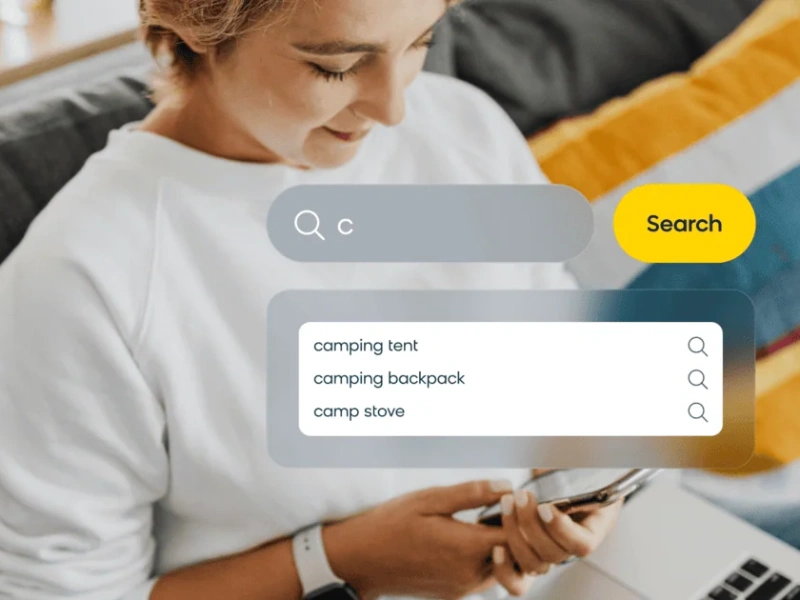
Search intent indicates what a person wants to accomplish. Map each keyword to the page that meets that need rather than forcing every phrase onto one general page.
Commercial and Transactional Searches
Commercial keywords often combine a service, problem, location or purchase signal, such as “commercial electrician Parramatta” or “family lawyer consultation.”
They belong on focused service pages or location pages with clear scope, evidence and contact options.
Comparison Searches
Prospects may compare price, process, qualifications or providers. Cost guides, comparisons and FAQs can address this stage while directing readers towards the commercial page.
Informational Searches
Informational content can build trust earlier. Each article should answer a genuine question, provide a logical next step and support a service the business wants to grow.
Build Pages Around Specific Customer Decisions
A strong site structure gives each important service a clear destination. One page listing every capability rarely provides enough depth.
Core Service Pages
Each core page should explain:
- Who the service is designed for
- The problems it addresses
- What is included and excluded
- How delivery works
- Relevant qualifications or proof
- Pricing information or cost factors
- The next step
Use the on-page SEO checklist to review titles, headings, copy, internal links, images and calls to action.
Location Pages
Location pages support local SEO when the business genuinely serves distinct areas. Include accurate coverage, relevant services, contact details and local evidence.
Changing only the suburb name creates repetitive pages. Reflect real differences in customer needs, regulations, delivery or service availability.
Supporting Content
Articles, case studies and FAQs should strengthen core pages. An office relocation guide can support a commercial removal service, while a maintenance checklist can support equipment repair.
Every resource needs a purpose and an internal path. Publishing unrelated articles increases page count without necessarily improving lead quality.
Use descriptive anchor text and link each guide to the relevant service. Service pages can then connect to case studies, process information and suitable location pages.
Strengthen Trust Before Asking for an Enquiry
Service purchases involve risk because the customer cannot inspect the final result before work begins. Reduce uncertainty with accurate information and verifiable evidence.
Useful trust signals include:
- Named qualifications, licences or memberships
- Relevant case studies with specific outcomes
- Genuine reviews linked to the service
- A clear delivery process and timeframe
- Team, location and contact information
- Guarantee conditions and privacy information
The ACCC states that businesses must prove advertised claims and avoid false or misleading claims about price, benefits, performance and availability.
Conversion-focused content should persuade through relevance and evidence. Clear limitations build more confidence than unsupported “best” or “guaranteed” statements.
Remove Technical Barriers to Visibility and Enquiries
Technical SEO should protect both search visibility and conversion paths. Useful content cannot perform when search engines cannot access it or visitors cannot use it.
Check for:
- Important pages blocked from crawling or indexing
- Duplicate pages and conflicting canonical tags
- Broken internal links and redirect chains
- Slow loading or unstable mobile layouts
- Forms, booking tools and phone links that fail
- Orphan pages with no internal path
- Analytics that omit completed enquiries
An SEO audit checklist organises these checks. Larger fixes may require web development support so templates, forms and tracking work consistently.
Prioritise by impact. A broken enquiry form on a high-value service page deserves attention before a minor metadata issue on an old article.
Measure Lead Quality Instead of Traffic Alone
Organic traffic can rise while commercial results remain unchanged. Connect search performance with enquiry quality and sales outcomes.
Track measures such as:
- Qualified enquiries by landing page
- Consultation or quote bookings
- Lead-to-customer conversion rate
- Revenue or pipeline value from organic traffic
- Service and location mix
- Cost per acquired customer
Record lead outcomes in a customer relationship system or a consistent manual process. A page generating unsuitable enquiries may need clearer scope, stronger qualification questions or different targeting.
Rankings, clicks and impressions remain useful diagnostics, but they are not the final business result.

A Practical 90-Day Implementation Sequence
Days 1–30: Establish the Baseline
Define qualified leads, confirm priority services and audit tracking, indexation, structure and conversion paths. Record current traffic, enquiries and sales outcomes.
Days 31–60: Improve High-Value Pages
Update core service pages first. Align each page with intent, strengthen proof, resolve technical barriers and add internal links. Create new pages only for distinct services or genuine markets.
Days 61–90: Build Supporting Coverage
Publish resources that answer sales questions and support priority services. Connect content clusters, review early lead-quality signals and set the next quarter’s priorities.
Common Service Business SEO Mistakes
Avoid these patterns:
- Targeting high-volume phrases with weak commercial relevance
- Combining unrelated services on one thin page
- Creating near-identical location pages
- Publishing articles without links to commercial pages
- Reporting traffic without reviewing lead quality
- Hiding service limits, pricing factors or coverage areas
- Neglecting mobile forms and phone actions
- Treating every enquiry as a successful conversion
Conclusion
Service businesses gain more value from search when pages reflect real services, customer needs and commercial priorities. Clear targeting, credible content, sound technical foundations, and lead-quality measurement create a system that supports better enquiries, not traffic for its own sake.
At Webincube, we support businesses through search optimisation, content marketing, web design and development, paid advertising, social media, eCommerce and performance tracking. A practical next step is to select one high-value service, review its search journey from query to completed enquiry and fix the most significant gap before expanding the wider programme.
Frequently Asked Questions
Q1. How long does service business SEO take to produce leads?
Timelines depend on competition, website condition and authority. Technical or page fixes may produce early progress, while competitive services usually need sustained work over several months.
Q2. Should every service have its own page?
A separate page suits a service with distinct demand, questions and delivery details. Keep closely related offerings together when separate pages would repeat information.
Q3. Are location pages necessary for every service business?
They are useful when geography affects availability or buying decisions. Each page needs genuine local relevance; mass-produced suburb pages add little value.
Q4. Which content produces the best qualified leads?
Core service pages capture strong immediate intent. Comparisons, cost guides, case studies and FAQs support prospects who need more evidence.
Q5. What should an SEO report include?
A useful report connects visibility with qualified enquiries, conversions and revenue indicators. It should explain completed work, current barriers and next actions.